




Pigmentation Treatment Singapore | Laser Treatment Approach
Pigmentation conditions such as freckles, melasma, dark spots, sun spots, and post-inflammatory hyperpigmentation (PIH) are common in Singapore. Many patients begin with topical creams and skincare, and these may help improve mild or superficial pigmentation. However, when pigmentation is deeper, persistent, or driven by factors such as heat, inflammation, or hormones, surface-level creams and skincare alone are often insufficient.
For pigment to be cleared from the body, it must first be fragmented into particles small enough for macrophages — the skin’s natural waste-clearing cells — to remove through normal metabolic pathways. This process typically requires energy-based intervention, such as laser treatments. Among these, Picosecond or Pico laser are often the most talked-about option for pigmentation treatment. Pico lasers work by delivering ultra-short pulses of energy that fragment pigment particles into smaller sizes, allowing the body to gradually clear them through natural processes.
While picosecond lasers can be effective for certain pigment types, pigmentation rarely exists at a single depth. Many patients present with a combination of superficial pigment, deeper dermal pigment, and pigment driven by inflammation or heat sensitivity, such as melasma. Treating all of these components with a single laser alone may lead to not be enough.
How does Pico Laser work on Pigmentation?
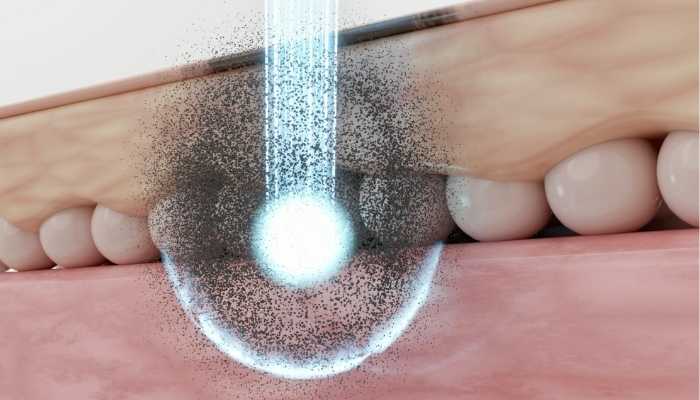
The Pico laser, also known as a picosecond Nd:YAG laser, delivers laser energy in ultra-short pulses that help fragment excess pigment into smaller particles. These fragmented pigment particles can then be gradually cleared by the body’s natural processes over time.
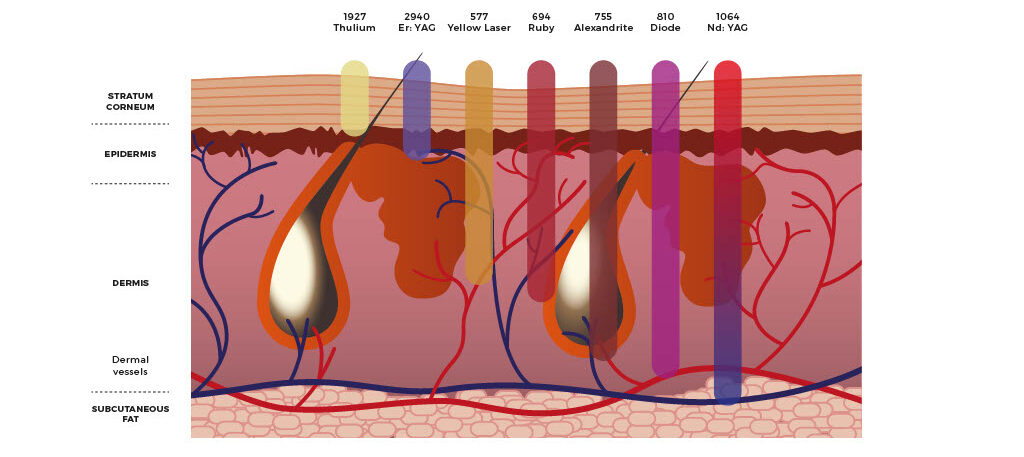
Picosecond Nd:YAG laser commonly utilise wavelengths such as 532 nm and 1064 nm, which behave differently within the skin and interact with pigment at varying depths. Rather than relying on a fixed setting, treatment parameters are carefully calibrated based on the individual’s skin condition, pigment pattern, and treatment goals. Proper calibration is essential to achieve pigment improvement while maintaining skin stability and minimising unnecessary inflammation.
What Makes Picosecond ND YAG Laser Technology Unique?
Picosecond Nd:YAG laser systems can operate at multiple wavelengths, commonly including 532 nm, 755 nm, and 1064 nm. Each wavelength behaves differently within the skin and interacts with pigment in a distinct manner. This allows doctors to adjust treatment parameters based on the overall pigment pattern, skin response, and clinical objectives, rather than applying a fixed or uniform setting.
In addition to wavelength selection, parameters such as pulse duration, energy levels, and treatment intervals are carefully calibrated. This ensures pigment is addressed in a controlled manner while minimising excessive heat exposure and inflammation — a key consideration in pigmentation treatment.
Why Pigmentation Cannot Be Treated With One Laser Alone
Pigmentation is rarely uniform. Many patients present with a combination of superficial and deeper pigment, together with pigment influenced by factors such as inflammation, heat sensitivity, or hormonal changes. A single laser modality is often limited in its ability to address all these components effectively within one treatment strategy.
In addition to excess melanin, pigmentation disorders — particularly melasma — are now understood to involve three other key components:
- chronic inflammation,
- damage to the basement membrane,
- abnormal blood vessel activity within the skin.
These factors can stimulate melanocytes and contribute to persistent or recurrent pigmentation, even when pigment has been partially cleared. Relying on one laser alone may result in partial improvement or uneven outcomes. To compensate, overly aggressive settings may be used, which can increase skin stress. In pigment-prone conditions such as melasma, excessive heat and inflammation may raise the risk of irritation, rebound pigmentation, or prolonged sensitivity.
This is why pigmentation treatment often involves a combination of lasers and other energy-based devices, each selected for a specific purpose. By addressing different layers of pigment and the surrounding skin environment in a more controlled way, treatment can be delivered gradually without overwhelming the skin.
When energy is carefully distributed across multiple modalities, inflammation can be better managed, skin structure supported, and long-term stability improved. This measured, multi-modal approach helps achieve safer and more predictable outcomes, especially for chronic or recurrent pigmentation.
Our Combination Laser Treatment Approach for Pigmentation
At Ensoul Medical Clinic, pigmentation is managed using a structured combination laser approach, rather than a single-device or fixed-protocol treatment. This is because pigmentation is rarely uniform and often involves multiple layers of the skin, as well as contributing factors such as inflammation and skin reactivity.
Instead of relying on one laser to address all aspects of pigmentation, multiple laser and energy-based technologies are selected within a carefully planned treatment course. Each modality plays a specific role, whether in addressing pigment at different depths, modulating skin response, or supporting overall skin recovery. The choice of devices and parameters is guided by medical assessment rather than a predetermined template.
By distributing treatment across different modalities, energy can be delivered in a more controlled and precise manner. This reduces reliance on high energy from any single device, helping to minimise unnecessary heat exposure and inflammation — key considerations in pigment-prone skin.
Importantly, pigmentation treatment is dynamic rather than static. Skin response is reviewed at each session, and treatment settings are adjusted progressively based on how the skin heals and adapts over time. This stepwise approach allows pigment improvement to occur gradually while prioritising skin stability and long-term safety.
Benefits of Ensoul Laser Treatment
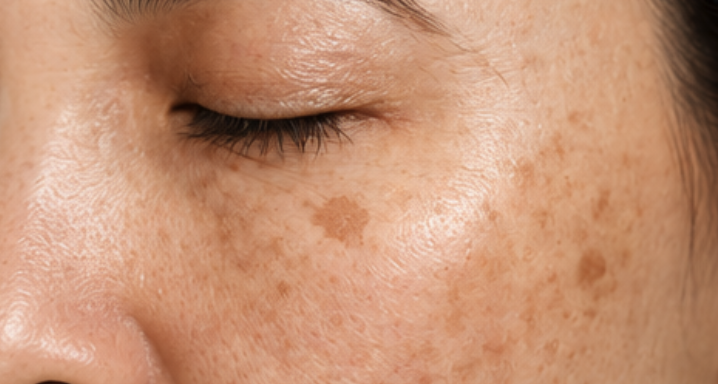
Pigmentation
The coloured pigments in the affected skin areas absorb the laser energy and dissolve into smaller units that are then naturally expelled from the body through its natural excretory processes. Types of pigmentation includes; melasma, freckles, sunspots, aged spots and etc can be removed effective with lasers.
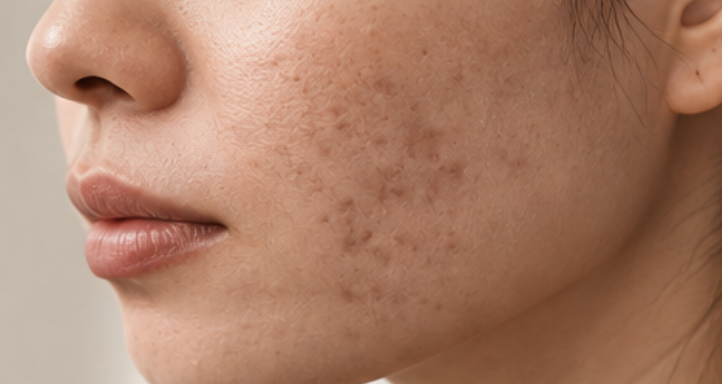
Acne Marks
(Post-Inflammatory Hyperpigmentation)
Inflammation due to pimples is the primary cause of acne. The skin produces pigments in response to the inflammation of pimples. Ultimately, the pigments lead to the development of acne marks and scars. However, laser treatment can address such situations very effectively.
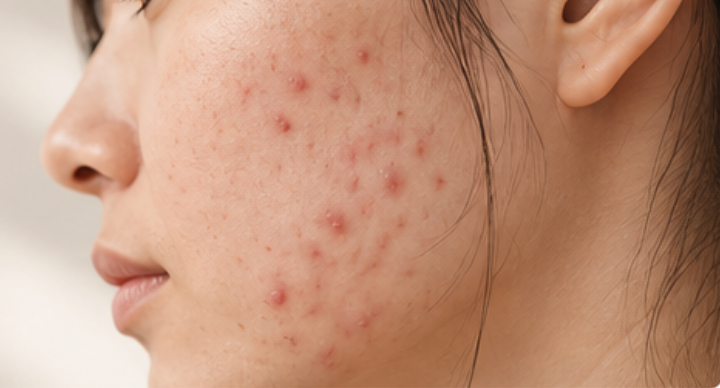
Pimples and acne
Apart from shrinking the oil glands development and controlling oil emissions, the ND YAG laser also kills propionibacterium, which is responsible for developing pimples and acne. Also, since the laser treatment is non-invasive, pimples and acne conditions tend to display less inflammation, keeping acne marks to a minimum.

Even Skin Tone
Just like our hair, our skin colour is also influenced by the quantity of skin pigments. People with darker skin or those who spend a lot of time outdoors are more likely to have more skin pigmentation. The ND YAG laser can help lighten the skin tone, giving it a fairer and fresher look.
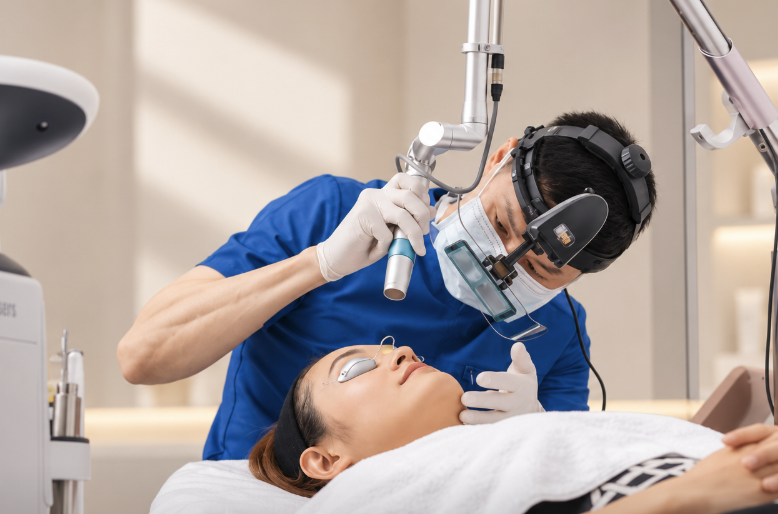
Skin Rejuvenation
Skin damage could be a result of sun exposure, underlying of health condition or ageing. One of the methods to restore the skin is through lasers. A combination of customised laser helps to stimulate underlying skin while forming collagen. Thus improving wrinkles, skin tone and texture.
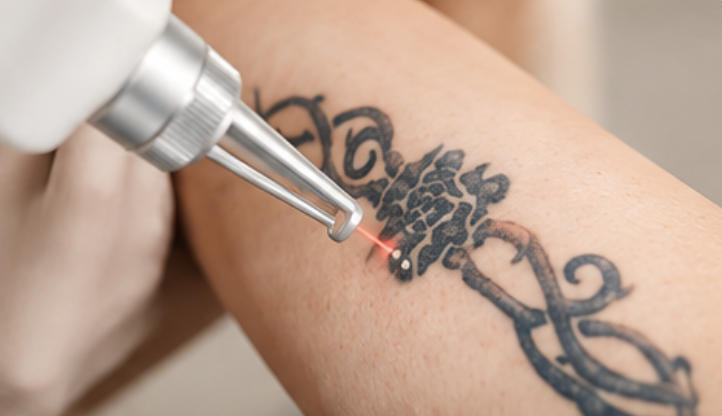
Tattoo removal
Unlike acne and pimple scars, tattoos are foreign pigments embedded in our bodies. Laser has a good safety profile in penetrating down to the dermis layer of the skin and shatter tattoo ink without causing damage to the skin surface.
What to Expect From our Pigmentation Treatment
Pigmentation treatment is a gradual process. Improvement typically occurs over multiple sessions as pigment is progressively broken down and cleared by the body. Immediate or dramatic changes are uncommon, and safer outcomes are achieved through measured, stepwise treatment.
Treatment plans are reviewed regularly and adjusted based on skin response. This allows doctors to balance efficacy with safety, particularly in patients with sensitive or pigment-reactive skin.
Choosing the Right Pigmentation Treatment Clinic in Singapore
When selecting a pigmentation treatment clinic, it is important to look beyond individual machines or promotional claims. Effective pigmentation treatment depends on medical assessment, experience with pigment-prone skin, and the ability to individualise treatment strategies.
A clinic should prioritise proper diagnosis, conservative energy use, and long-term skin health rather than quick fixes. This medical, judgement-driven approach is especially important in Singapore’s climate and skin types, where pigmentation is often complex and recurrent.