



Melasma Causes & Treatment
Many spent years trying to find the right melasma treatment or chloasma for their condition. It is very important to seek for experienced doctors for melasma treatment in Singapore. They can provide you with the right information, diagnosis and treatments such as laser to achieve your desired result. Hence, saving you money, time and emotional distress.
What is Melasma
Melasma is a common skin pigmentation condition characterised by irregular patches of brown, tan, or greyish-brown discolouration, typically appearing on the cheeks, forehead, nose, and upper lip. It occurs more frequently in women, particularly during their reproductive years, although men can also develop melasma. Often referred to as the “mask of pregnancy” when associated with hormonal changes during pregnancy, melasma is a form of hyperpigmentation that is sometimes mistaken for other types of dark spots, such as sun spots.
Melasma commonly develops on the forehead, cheeks, upper lip, and chin, particularly in women between the ages of 20 and 50. Its development is influenced by several factors, including prolonged sun exposure, heat, hormonal changes during pregnancy, and the use of hormonal medications such as birth control pills.
Individuals with melasma often have a history of frequent sun exposure, which can trigger or worsen pigmentation. The condition is particularly common among women of reproductive age, especially during pregnancy, and individuals with medium to darker skin tones.
People of Asian, Hispanic, Latin American, and Middle Eastern descent may have a higher predisposition to melasma due to genetic and skin-type factors. However, melasma is a multifactorial condition, with genetics, hormonal influences, UV radiation, visible light, and heat all potentially contributing to its development and recurrence.
What Causes Melasma?
The exact cause of melasma is not fully understood. However, research suggests that it is a multifactorial pigmentation condition influenced by genetics, hormonal changes, ultraviolet (UV) radiation, visible light, heat, and inflammation. These factors can stimulate melanocytes, the pigment-producing cells in the skin, causing excessive melanin production and the formation of persistent dark patches. Melasma is also associated with changes in the skin's vascular activity, basement membrane, and dermal structure, which may contribute to its persistence and recurrence.
Several factors can trigger or worsen melasma, particularly in individuals who are genetically predisposed to the condition.

Pregnancy and Hormonal Changes
Melasma that develops during pregnancy is commonly known as chloasma, or the "mask of pregnancy." Hormonal changes, particularly increases in oestrogen and progesterone, can stimulate melanocytes to produce excess melanin, leading to dark patches on the skin.
Pregnancy-related melasma is influenced by a combination of hormonal changes, genetic predisposition, and sun exposure. Hormonal medications, such as birth control pills and hormone replacement therapy, may also trigger or worsen melasma in susceptible individuals.

Genetic and Family History
Genetics plays an important role in the development of melasma. Individuals with a family history of melasma or medium to darker skin tones, particularly those of Asian, Hispanic, and Middle Eastern descent, may be more susceptible to the condition.
Exposure to sunlight and visible light can further trigger or worsen pigmentation, making consistent sun protection essential for managing melasma and reducing the risk of recurrence.

Harsh Products & Aggressive Treatments
Using harsh skincare products or undergoing overly aggressive treatments can worsen melasma by triggering inflammation and disrupting the skin barrier. Irritating ingredients, excessive exfoliation, and improperly performed chemical peels or laser treatments may stimulate melanocyte activity and increase the risk of post-inflammatory hyperpigmentation (PIH).
However, appropriately selected treatments can help manage melasma. The key is to control pigmentation, minimise inflammation, and protect the skin barrier for safer, more sustainable results.
Melasma Treatments Available in Singapore
Two types of patients are prone to suffer from Melasma
1) Women who develop Melasma as a result of hormonal changes due to pregnancy or the use of birth control pills. For these individuals, the melasma condition will gradually subside after delivery, or once they stop using birth-control pills.
2) Individuals who are afflicted with long-term or permanent Melasma, following exposure UV rays and other factors.
While there are several treatment options available in the market, to reduce or eliminate these patches, not all treatments are uniformly effective for everyone. There are also instances where recurrence of melasma, may take place even after treatment concludes successfully.
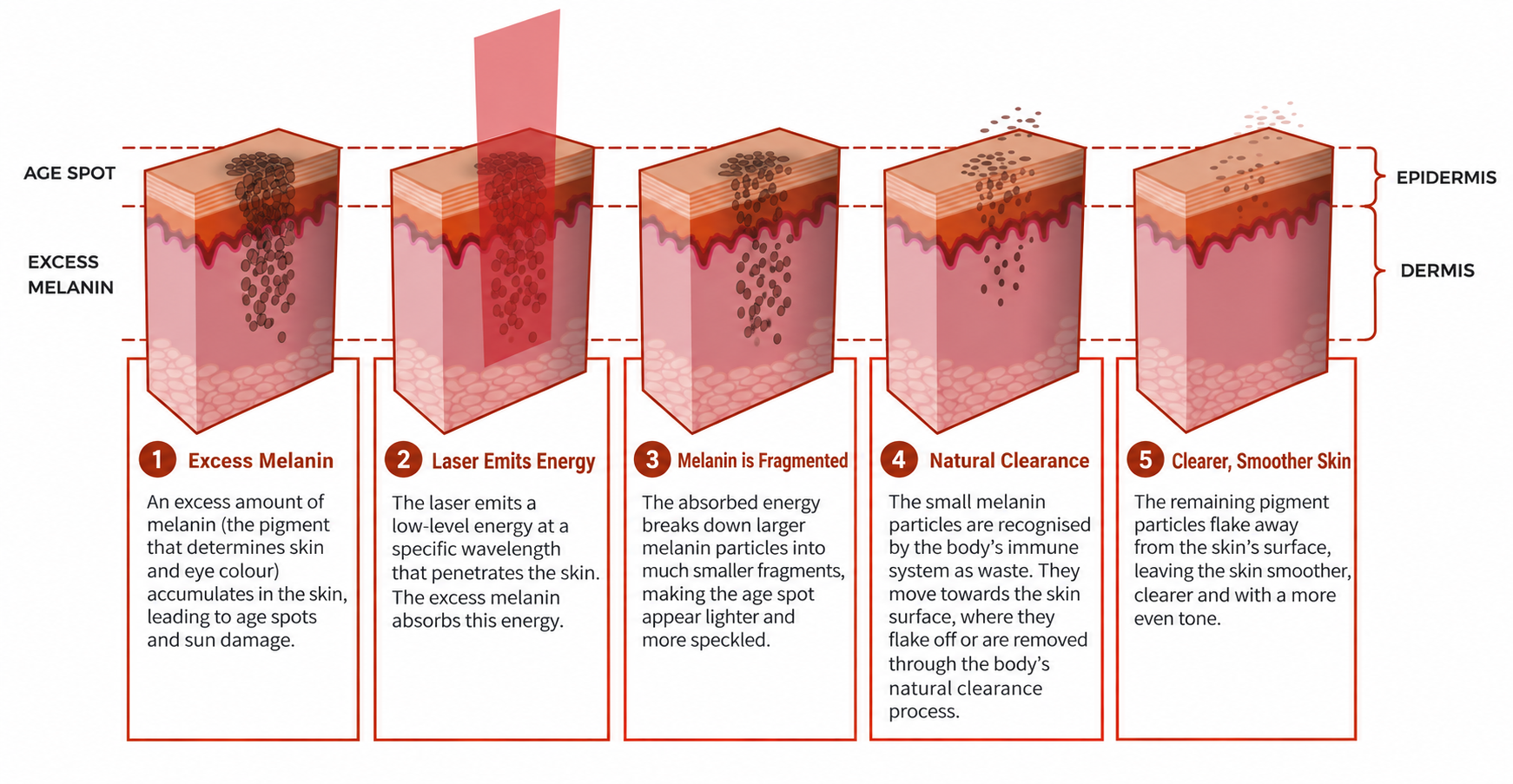
Dr Thean is known for his long years of aesthetics experience in the field of pigmentation, acne and scars. He has specially designed this treatment that illuminates hypergpigmentation, using a range of laser combinations, including pico laser and yellow laser or radiofrequency microneedling. This method effortlessly treats the vast majority of undesirable skin spots. The treatment is also effective for addressing discoloration or redness on the skin or face.
These conditions are caused by blood vessels that are located amid the deeper network of veins, far beyond the usual depths that conventional lasers are able to access. Since pigmentation occurs at various depths of the skin, we offer a range of Melasma treatments in Singapore. Dr. Thean personally devises a combination of treatments tailored to address your dark spots effectively.