




IPL & Laser Hair Removal in Singapore – Permanent Hair Reduction, Benefits & Side Effects
Achieving smooth, hair-free skin can be challenging, especially with the wide range of hair removal methods available. Among the most common options are Intense Pulsed Light (IPL) and laser hair removal, both of which use light energy to reduce unwanted hair growth.
IPL and laser hair removal in Singapore offer longer-lasting hair reduction compared with conventional methods such as shaving, waxing and plucking. However, these technologies differ in how they deliver light energy, the skin types they can treat and their overall effectiveness.
Beyond hair removal, IPL and laser technologies also have applications in treating pigmentation, acne, vascular concerns and signs of skin ageing.
Understanding how IPL and laser hair removal work, their additional benefits, potential side effects and treatment limitations helps explain which technologies may be suitable for different skin and hair types.
What is IPL vs Laser Hair Removal?
Both IPL and laser hair removal use controlled light energy to target melanin, the pigment responsible for hair and skin colour.
When melanin within the hair absorbs the light energy, it converts into heat. This heat damages structures within the hair follicle that support hair growth, reducing the follicle's ability to produce new hair.
Although both treatments work through a similar process known as selective photothermolysis, they use different types of light energy.
- Intense Pulsed Light (IPL) uses broad-spectrum light containing multiple wavelengths. Filters help select the appropriate wavelength range to target melanin within the hair follicle. As the hair absorbs the light, the resulting heat damages the follicle and gradually reduces hair growth.
- Laser hair removal, on the other hand, uses a concentrated beam of light at a specific wavelength. This allows more targeted delivery of energy to hair follicles at selected skin depths.

Different laser technologies are available for hair reduction, including:
Alexandrite Laser (755 nm): Commonly used for hair reduction in lighter skin types because of its relatively high melanin absorption.
Diode Laser (approximately 800–810 nm): Targets hair follicles at suitable depths and can treat a range of skin types with appropriate settings.
Long-Pulsed Nd Laser (1064 nm): Penetrates more deeply and has lower epidermal melanin absorption, making it a useful option for Asian and darker skin types.
Unlike these conventional hair-removal lasers, Pico lasers are primarily used for selected pigmentation and tattoo treatments rather than standard long-term hair reduction. Both IPL and laser hair removal can provide long-term hair reduction for men and women. However, treatment safety and effectiveness depend on skin colour, hair thickness, hair pigmentation and the selected technology.
For Asian and darker skin types, doctors must carefully select the wavelength and treatment parameters to minimise the risk of burns and post-inflammatory hyperpigmentation (PIH).
Which Areas Can IPL and Laser Hair Removal Treat?
IPL and laser hair removal can treat most areas of the body containing unwanted hair.
Common treatment areas include:
Face, upper lip and chin
Underarms
Arms and legs
Back and chest
Abdomen
Bikini line
Other Benefits of IPL and Laser Hair Removal
Beyond reducing unwanted hair, IPL and laser technologies have several applications in medical aesthetics. Doctors use different wavelengths, pulse durations and energy settings to address concerns such as pigmentation removal, acne, acne scars, redness, skin ageing and uneven skin texture.
However, these benefits depend on the specific technology and treatment settings. IPL or lasers used for hair removal do not automatically provide the same effects as treatments designed for other skin conditions.
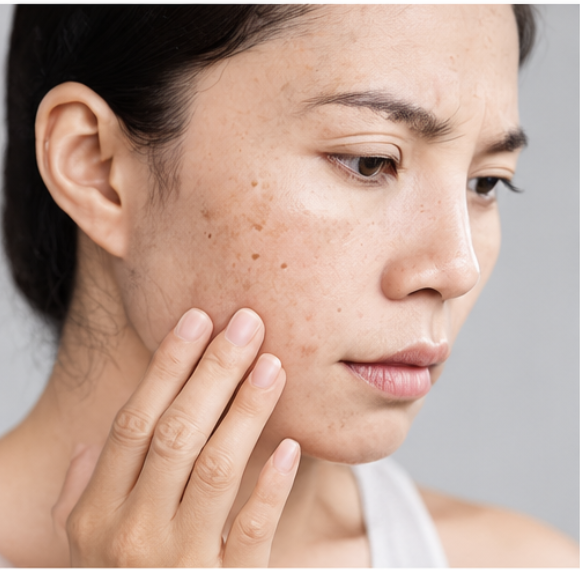
Pigmentation and Sun Damage
- IPL: Targets melanin within selected superficial pigmentation, including sunspots, freckles and some forms of epidermal hyperpigmentation. The absorbed light energy breaks down pigment, allowing it to gradually fade.
- Laser: Specific laser wavelengths can target pigmentation at different skin depths. Depending on the diagnosis, doctors may use pigment-targeting lasers to break down excess melanin and improve the appearance of dark spots.
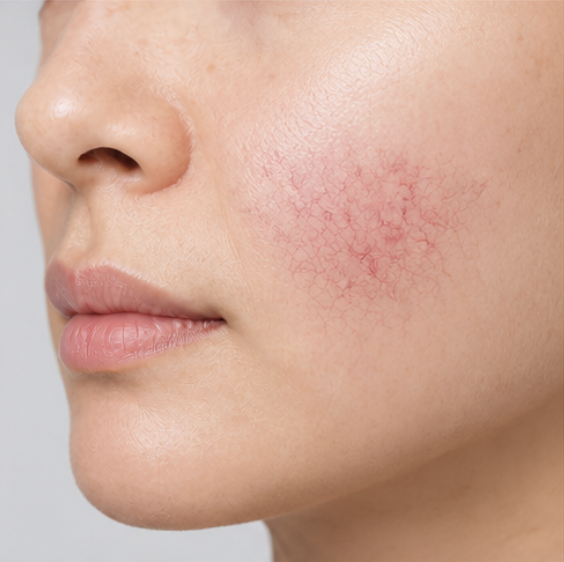
Vascular Concerns
- IPL: Uses filtered light energy to target superficial blood vessels and may improve facial redness, visible capillaries and some vascular features associated with rosacea.
- Laser: Vascular lasers, such as pulsed dye lasers (PDL), can treat selected blood vessel abnormalities, including broken capillaries, port-wine stains and certain haemangiomas.
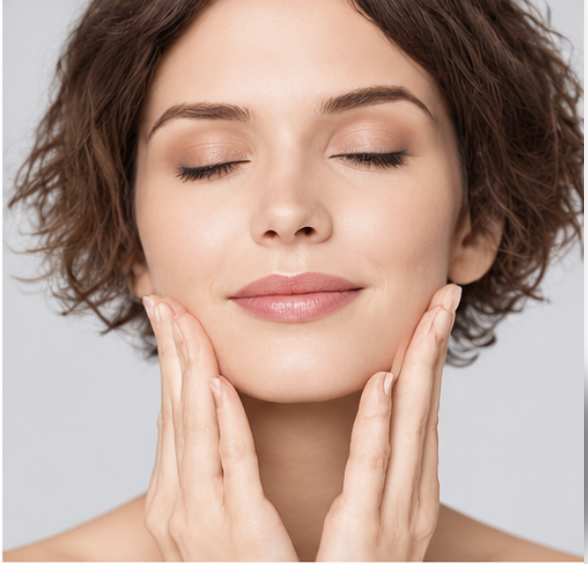
Skin Rejuvenation
- IPL: Also known as "photofacial", IPL can reduce selected pigmentation and vascular changes caused by sun exposure. Some treatment protocols may also stimulate superficial collagen remodelling, helping improve overall skin appearance.
- Laser: Fractional lasers like Er YAG lasers, create controlled microscopic treatment zones within the skin. These stimulate skin renewal and collagen remodelling, helping improve fine lines, uneven skin texture and selected superficial scars.
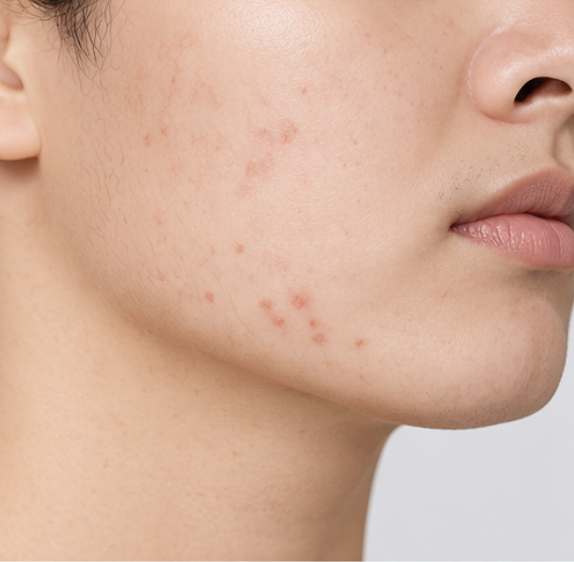
Acne and Acne Scars:
- IPL: Selected IPL wavelengths may help reduce acne-related inflammation and redness. Certain light-based treatments also activate naturally occurring bacterial porphyrins, producing effects that may reduce Cutibacterium acnes, a bacterium involved in acne development.
- Laser: Specific laser technologies may help regulate sebaceous gland activity and reduce acne-related inflammation. For acne scars, fractional ablative and non-ablative lasers stimulate collagen remodelling to improve depressed scars and uneven skin texture.
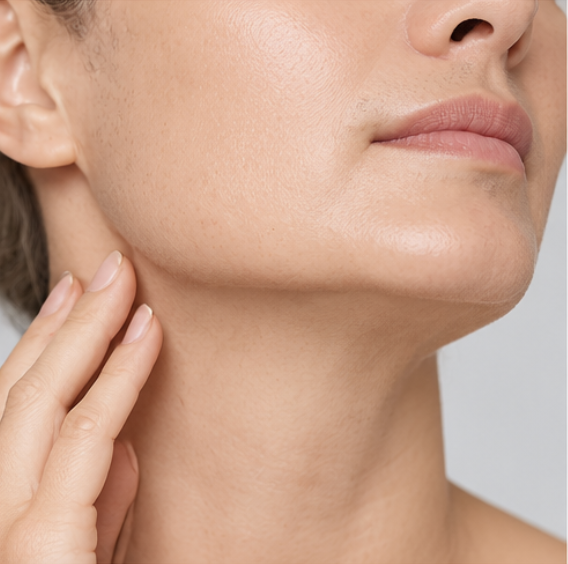
Skin Tightening:
- Laser: Selected long-pulsed Nd YAG laser treatments can produce thermal effects within the skin that may support collagen production and gradual improvements in skin firmness.
However, laser-induced skin tightening is generally modest and depends on the technology and treatment parameters. More significant skin laxity may require other energy-based technologies that target deeper tissue layers.
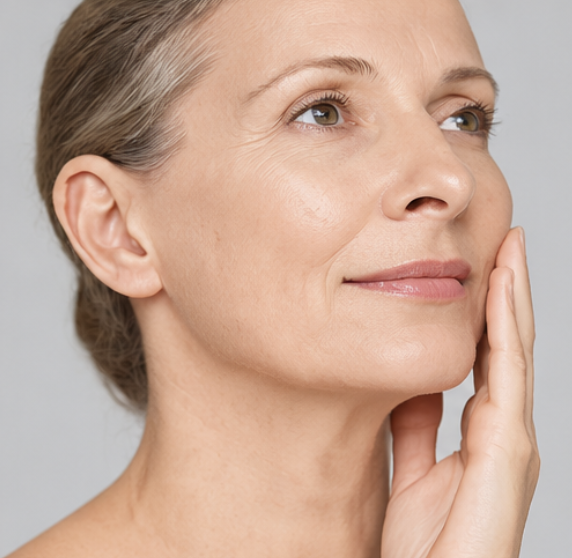
Wrinkle Reduction:
- Laser: Ablative lasers, including Erbium YAG (Er:YAG) lasers, remove controlled amounts of superficial skin tissue while stimulating collagen remodelling. This helps improve fine lines, uneven skin texture and selected signs of photoageing.
Fractional resurfacing technologies create microscopic treatment zones while leaving surrounding skin relatively intact, allowing skin renewal and collagen remodelling.
Side Effects with IPL and Hair Removal Treatment
IPL and laser hair removal are generally well tolerated when performed with appropriate treatment settings, although patients may experience temporary discomfort or skin reactions. During treatment, the light energy heats the hair follicles, producing a warm or snapping sensation against the skin. Some technologies incorporate cooling systems to protect the skin surface and improve comfort.
For larger or more sensitive treatment areas, topical anaesthetic cream may be considered when appropriate. Most patients can resume normal daily activities shortly after treatment, although the treated skin may require temporary precautions.