




Freckles Treatment & Removal in Singapore
If you are considering freckles removal solutions in Singapore, it is important to first understand what freckles are, why they develop and why they can sometimes darken again after treatment.
Freckles are small, flat brown spots that commonly appear on sun-exposed areas of the skin, particularly the face, cheeks and nose. While they are generally harmless, repeated sun exposure can cause freckles to become darker and more noticeable over time.
Freckles can also sometimes be mistaken for other pigmentation conditions such as sunspots (solar lentigines), melasma or post-inflammatory hyperpigmentation, which may require different treatment approaches.
In this article, we explain what causes freckles, how freckles can be treated, why they may return after treatment, and what can help reduce their recurrence.
What are Freckles?
Freckles, medically known as ephelides, are small areas of increased pigmentation caused by increased melanin production within the skin.
They are usually:
Small and flat
Light brown to darker brown
More noticeable after sun exposure
Common across the cheeks and nose
Often multiple rather than appearing as a single spot
Freckles are particularly associated with UV exposure and genetic predisposition. Unlike some other pigmentation conditions, freckles may become lighter when sun exposure decreases and darker again following increased UV exposure.
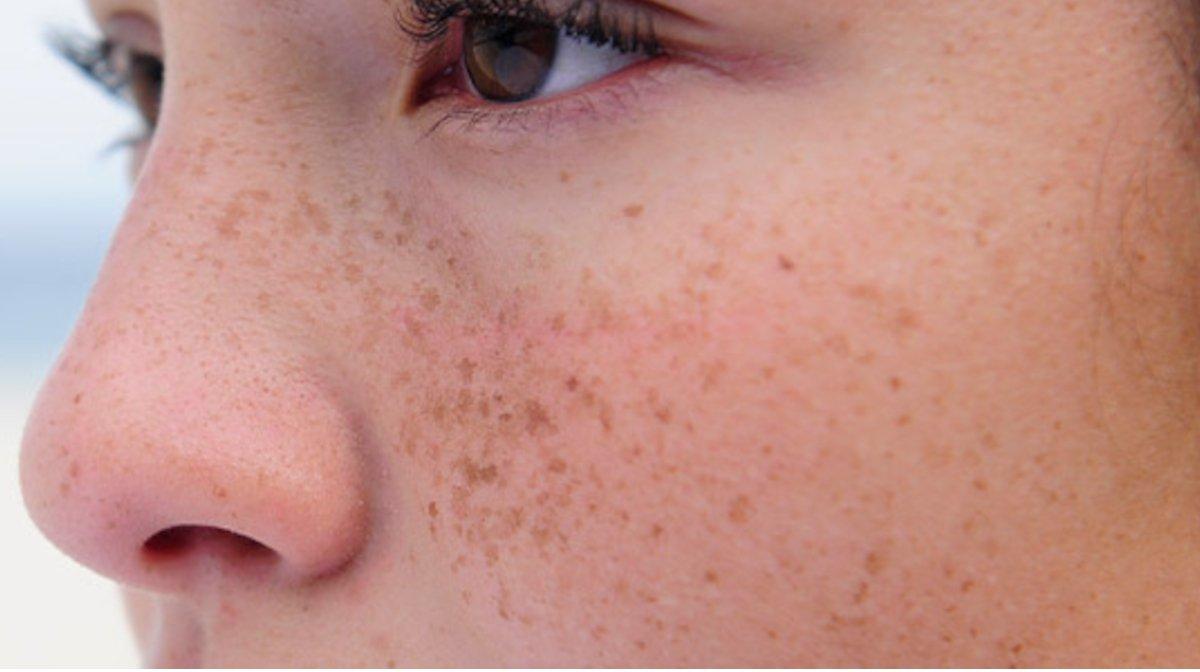
Freckles vs Sunspots: What Is the Difference?
Freckles and sunspots can look similar, but they are not necessarily the same condition.

FRECKLES (EPHELIDES)
Freckles (Ephelides) usually develop earlier in life, are relatively small and may darken or lighten depending on sun exposure.
Solar lentigines
Solar lentigines, commonly called sunspots or age spots, are generally more persistent and are associated with cumulative UV exposure over time. They often become more noticeable with age.
Other pigmentation conditions, including melasma and post-inflammatory hyperpigmentation (PIH), may also appear as brown patches or spots.
Because different pigmentation conditions can require different treatment approaches, correct diagnosis is important before starting laser treatment.
How Are Freckles Treated?
So how can we get rid of freckles? There are a variety of freckles removal treatment options available, which can lighten your brown spots and bring your skin closer to a balance tone as most brown spots can quite easily be lightened. These freckles treatment can range from lasers, RF microneedling, chemical peels and etc, but it really depends on your type of severity of your freckles.
Usually, specific treatments or a combination thereof, are used to deliver the optimal results. This is because, every individual’s skin is unique and must be treated in a customized manner. Following a detailed consultation, we will formulate the most suitable freckles treatment for you.
Laser Treatment for Freckles
Medical lasers can target excess melanin within freckles. Laser energy is absorbed by pigment, helping to break it into smaller particles that can gradually be cleared by the body.
Different laser wavelengths interact with pigment at different depths. The choice of laser and treatment settings therefore depends on factors such as:
Type of pigmentation
Pigment depth
Skin tone
Previous treatments
Individual skin response
Risk of post-inflammatory hyperpigmentation
For Asian skin, treatment parameters need to be carefully selected to reduce unnecessary inflammation and the risk of post-inflammatory hyperpigmentation (PIH).

Skincare for Freckles and Pigmentation
Appropriate skincare can complement in-clinic pigmentation treatments. Depending on the skin condition, products may be recommended to help:
- Reduce excess pigment production
- Support more even-looking skin tone
- Maintain the skin barrier
- Reduce irritation and inflammation
- Support results between treatments
Skincare alone may not completely remove established freckles, but it can form part of an overall pigmentation management plan.
Sun Protection
Sun protection is particularly important when treating freckles.
Because UV exposure stimulates melanin production, continued sun exposure can cause freckles to become darker again even after they have been successfully lightened. Daily broad-spectrum sunscreen, appropriate sun-protective measures and reducing unnecessary prolonged sun exposure can help maintain results.
Can Freckles Be Permanently Removed?
Freckles can often be significantly lightened with appropriate freckles treatment, but they may darken again or new freckles may develop with continued UV exposure. Treatment can target existing pigmentation but cannot change an individual's underlying tendency to develop freckles.
Consistent sun protection is therefore important after freckles removal. A broad-spectrum, water-resistant SPF 30 or higher sunscreen, together with appropriate skincare and reduced excessive sun exposure, can help minimise UV-induced pigmentation and maintain treatment results.